
The mistake that derails more moves to Mexico than any other is procedural, not financial, and it is this: you cannot apply for Mexican residency from inside Mexico. The application is lodged at a Mexican consulate in another country, in person, and a tourist entry cannot be converted once you are here. People arrive on a 180-day tourist permit, spend four months finding a flat and a gym and a dentist, then discover they have to fly to Texas or Guatemala and start a process they assumed would be a trip to a local office. Do it in the right order and Mexico is one of the most workable relocations available to an American. Do it in the wrong order and you lose a flight, a deposit and about three months.
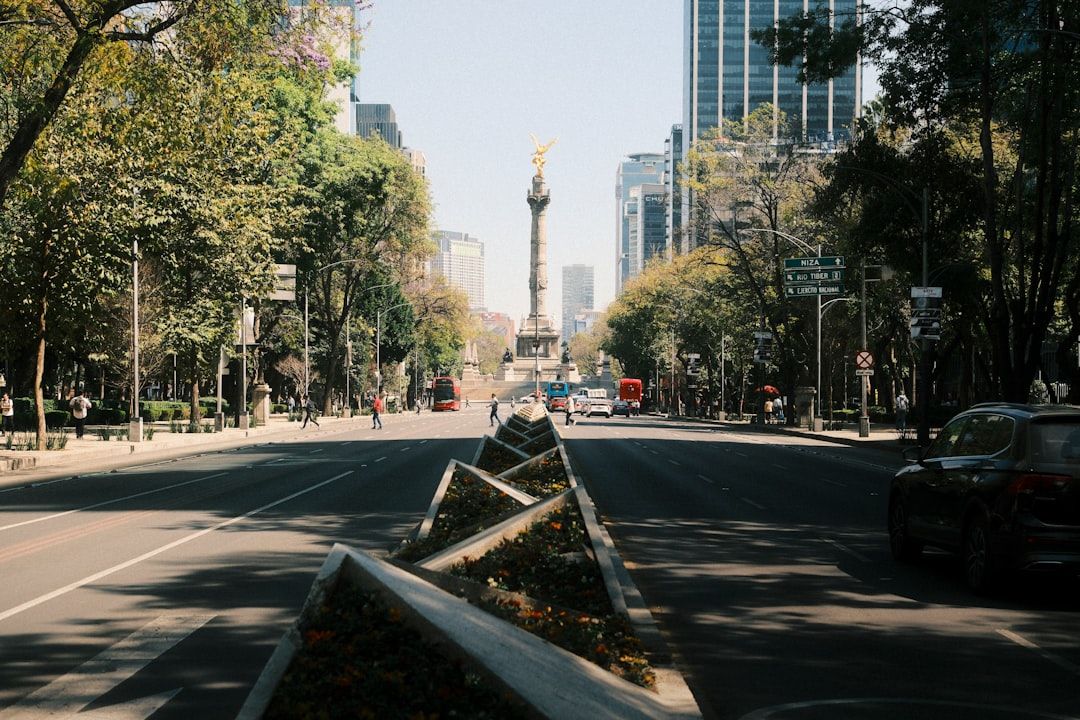
The second thing worth saying plainly is that Mexico is no longer cheap in the places Americans actually move to. Roma Norte, Condesa, central Mérida and San Miguel de Allende have repriced against remote US salaries rather than Mexican ones, and the resentment this has generated is real — the 2025 protests in Condesa and Roma were specifically about it. A one-bedroom in Roma Norte now asks MXN 18,000–28,000 a month, which is $1,000–1,550, and that is not a bargain by any sensible measure. The country is still excellent value. The three neighbourhoods everyone names first are not.
How does Mexican residency actually work?
There are two residency categories that matter to most people, and the difference between them is worth understanding before you book a consulate appointment.
Residente Temporal is granted initially for one year, renewable for one, two or three years at a time, up to four years total. After four years you may apply for permanent residency. Residente Permanente can be obtained directly if you meet a higher financial bar, or through family ties, or by being a retiree with sufficient pension income. Temporary residency is the route almost everyone takes.
The financial solvency test is pegged to the UMA, a unit of account the Mexican government revises every February, so any specific figure you read online has an expiry date. As a working shape: consulates typically want either around six months of bank statements showing net monthly income near MXN 78,000, roughly $4,300, or twelve months of statements showing an average balance near MXN 1.3 million, roughly $75,000. Retirees drawing a pension are assessed on the income test.
What surprises people is how much discretion individual consulates apply. The multiples are set nationally; the interpretation is not. Consulates in Spain and Canada have a reputation for strictness, several US border consulates for pragmatism. Appointment availability varies from a fortnight to five months. Book the earliest appointment you can get anywhere you can reach, not the one nearest your house.
What is the canje, and why does it end so many plans?
This is the step nobody warns you about. When the consulate approves you, they put a visa sticker in your passport. That sticker is not your residency. It is permission to enter Mexico and complete the exchange — the canje — at an INM office, and you have 30 days from your date of entry to start it. Miss the window and the approval lapses and you go back to the consulate.
Practical consequences: do not enter Mexico on the sticker until you can be in one place for a month. Do not schedule a wedding, a work trip or a house move into those 30 days. Book the INM appointment before you fly, because in Mexico City and Mérida the queue can run three weeks on its own. Bring more photocopies than you think are reasonable; INM offices routinely require copies of documents you have already handed over.
What does living in Mexico actually cost?
The figures below are monthly, for one person, living in a decent unfurnished one-bedroom, eating out several times a week, using a mixture of public transport and ride-hailing.
| City | One-bed rent, central | Realistic all-in monthly | Who it suits |
|---|---|---|---|
| Mexico City (Roma Norte, Condesa) | MXN 18,000–28,000 / $1,000–1,550 | $2,100–2,900 | People who want a large city and will pay for it |
| Mexico City (Escandón, Narvarte, Del Valle) | MXN 11,000–18,000 / $610–1,000 | $1,500–2,100 | The same city, 35 per cent cheaper, ten minutes further out |
| Mérida | MXN 9,000–15,000 / $500–830 | $1,400–1,900 | Families and anyone who tolerates real heat |
| Oaxaca City | MXN 8,000–14,000 / $440–780 | $1,300–1,800 | Small-city living, the best food in the country |
| Guadalajara | MXN 10,000–16,000 / $555–890 | $1,450–1,950 | Tech work, mild weather, less foreign competition for flats |
| Puebla | MXN 7,500–12,000 / $415–665 | $1,250–1,700 | Value, and two hours from Mexico City by bus |
Two costs deserve their own paragraph because they are invisible until they arrive.
Electricity. The CFE subsidises domestic electricity up to a consumption threshold assessed on a rolling twelve-month average. Exceed it and your tariff is reclassified to DAC, the high-consumption band, and the bill can triple. In Mérida, where air conditioning runs most of the year, this catches new arrivals constantly — a MXN 600 bill becomes MXN 2,500 and stays there until your rolling average falls back. Ask any prospective landlord in the Yucatán whether the property is currently on DAC. It is a completely fair question and the answer tells you a lot.
Water. Most buildings depend on a rooftop tinaco and a cistern, refilled by the mains or, when the mains are short, by a delivered pipa. In parts of Mexico City the mains supply is rationed by district, and a pipa costs MXN 1,200–2,500. Ask how often the building has needed one in the last year.
Which neighbourhoods are actually worth it?
Mexico City first, since that is where most people land.
- Roma Norte — walkable, excellent coffee, and the epicentre of the foreign influx. You will hear a great deal of English. Prices reflect that.
- Condesa — greener, two large parks, art deco housing stock. Quieter than Roma at street level, similarly priced, and equally the subject of local resentment about rent inflation.
- Escandón — between Condesa and the Periférico, a fifteen-minute walk from Condesa and roughly a third cheaper. This is the one to look at first.
- Narvarte — residential, well served by the Metro, genuinely Mexican in daily texture, and the best value in the central belt. Taquerías rather than natural wine bars.
- Coyoacán — leafy, low-rise, feels like a separate town. Further from the centre and the commute is real, but families do well here.
- Del Valle — unglamorous, safe, good hospitals nearby, and where a lot of long-term residents end up after two years in Roma.
Outside the capital, Mérida is the most common second choice and deserves an honest caveat: the heat in April and May is not a talking point, it is a constraint. Daytime highs of 38–40°C with high humidity restructure your day, and the electricity bill follows. Oaxaca is cooler, smaller and cheaper, with a water supply that is less reliable. Guadalajara has the most balanced climate of the three.
How do healthcare, banking and tax work in practice?
Healthcare. IMSS, the public system, is open to residents by voluntary enrolment for a modest annual contribution, but it applies exclusion periods for pre-existing conditions that can run up to two years, and access is by assigned clinic. Nearly everyone uses private care for routine needs and it is affordable: a specialist consultation in Mexico City is MXN 800–1,500, roughly $45–85, usually with no wait. Private insurance for a healthy 40-year-old runs $120–250 a month. The large private hospitals — ABC and Médica Sur in Mexico City, Star Médica in Mérida — are good and priced accordingly.
Banking. You need a residency card to open an account at BBVA, Banorte or Santander, along with proof of address, which in practice means a utility bill in your name or a landlord letter with a CFE bill attached. Tourists cannot open accounts. Until your card arrives, a fee-free multi-currency card and cash withdrawals will carry you; withdraw from bank-branch ATMs rather than the standalone machines in convenience stores, which charge badly and have a poor security record.
Tax. Spending more than 183 days in Mexico, or establishing your main centre of interests here, makes you a Mexican tax resident. US citizens continue to file with the IRS regardless. The US and Mexico have a tax treaty and a totalisation agreement covering social security, so double taxation is generally avoidable, but only if you file properly on both sides. Speak to an accountant who handles both jurisdictions before your first Mexican tax year closes, not after.
What is genuinely difficult about living in Mexico?
Four things, stated without softening.
Altitude. Mexico City sits at about 2,240 metres. The first two to three weeks involve shortness of breath on stairs, disrupted sleep and a lower alcohol tolerance. It passes, but plan a quiet first fortnight rather than a busy one.
Air quality. Between February and May, thermal inversions trap pollution over the valley and the city periodically declares an environmental contingency, restricting driving. If you have asthma this is a material factor and Guadalajara or Mérida are better choices.
Noise. This is the complaint that eventually wears people down. Gas trucks with recorded jingles, the camote whistle, street sellers with loudhailers, neighbours with sound systems, and fireworks at 5am for saints days nobody warned you about. Look at flats on the interior of a building rather than the street front, and view any property on a Saturday night before signing.
Bureaucracy in Spanish. INM, SAT and the CFE operate in Spanish and will not accommodate you. Conversational Spanish is not optional for a long stay — it is the difference between paying local rent and foreigner rent, and between resolving a problem yourself and paying a fixer MXN 3,000 to do it.
If you are still comparing countries rather than cities, our breakdown of the cheapest countries to live in sets Mexico against Colombia, Portugal and Thailand on visa bar as well as rent, our Costa Rica guide covers the nearest regional alternative with a gentler income test, and the wider shortlist for Americans covers the rest.
Frequently Asked Questions
Can you apply for Mexican residency while you are in Mexico?
No. Applications for Residente Temporal and Residente Permanente must be lodged in person at a Mexican consulate outside Mexico, and a tourist entry permit cannot be converted into residency from inside the country. The narrow exceptions are family-based routes, such as marriage to a Mexican national or having a Mexican child. Plan on flying out, applying, and returning with the visa sticker.
How much income do you need for Mexican temporary residency?
Consulates generally look for around six months of statements showing net monthly income near MXN 78,000, about $4,300, or twelve months showing an average balance near MXN 1.3 million, about $75,000. These figures are pegged to the UMA and revised each February, so confirm the current multiple with your specific consulate. Individual consulates apply the rules with noticeable variation in strictness.
Is Mexico still cheap for expats?
Mexico as a country is inexpensive, but the districts most Americans move to are not. A one-bedroom in Roma Norte or Condesa in Mexico City costs $1,000 to $1,550 a month, comparable to a mid-sized US city. Move ten minutes out to Escandón or Narvarte and the same standard of flat costs roughly a third less, which is where the value actually is.
What is the DAC electricity tariff and why does it matter?
DAC is the high-consumption band the CFE moves you into when your electricity use exceeds the subsidised threshold on a rolling twelve-month average. Once reclassified, your bill can roughly triple and stays there until your average falls back below the limit. It matters most in hot states such as Yucatán where air conditioning runs year-round, so ask any prospective landlord whether the property is currently on DAC.
Do you need Spanish to live in Mexico?
You can survive in Roma Norte, Condesa and central San Miguel de Allende with English alone, but it costs you money and independence. Immigration, tax and utility offices operate only in Spanish, and rental listings written in Spanish are routinely 25 to 40 per cent cheaper than the equivalent advertised to foreigners in English. Conversational Spanish pays for itself within a few months.