Almost every ranking of the cheapest countries to live in is built on the wrong number. They add up rent, groceries and a beer, publish a monthly total somewhere near $800, and stop. That figure is not inaccurate so much as beside the point, because it answers a question nobody actually faces. You are not choosing where to spend one month. You are choosing where you can legally remain for a year or more, and that decision is governed by two costs the rankings almost never price in: the income or savings the visa demands of you, and what health cover costs once you are no longer on an employer plan.
Put those two back in and the league table inverts. Vietnam is the cheapest place on this list to actually live and among the hardest to stay in lawfully. Portugal costs roughly double and hands you a residence permit with a clear route to permanence and eventually citizenship. Colombia is the outlier worth knowing about: its nomad visa is pegged to three times the Colombian minimum wage, which lands near $1,000 a month — the lowest legal bar of any country in this piece. So here is the position this article argues. The cheapest country to live in is the cheapest one that will have you for three consecutive years without a single grey-area renewal, and on that test the usual top three all lose.
What has to be in the monthly figure before it means anything?
A cost-of-living estimate is only useful if it survives a full year of real life. Seven line items are missing from nearly every published number, and together they typically add 30 to 50 per cent to the headline.
- Health cover. Off an employer plan, an international policy with outpatient cover runs roughly $90–180 a month at 30, $150–300 at 45, and $350–700 at 60. Local schemes are far cheaper where you can join them, but most exclude pre-existing conditions for the first one to two years.
- The visa itself. Application fees, the apostille and sworn-translation chain, a police certificate, and the renewal cycle. Budget $600–1,500 for a first application done properly and $200–600 per renewal.
- The setup month. Deposit plus agency fee plus furnishing. In Latin America that is one to two months rent; in Germany it is three months cold rent as a deposit alone.
- Flights home. Two return trips a year from South East Asia to the US East Coast is $1,800–2,600. From Latin America, $700–1,200. Nobody stays away for three years without going back.
- Tax filing. US citizens file wherever they live. A specialist expat return with an FBAR and, where the thresholds bite, Form 8938 costs $400–1,200 a year. That is a fixed cost that does not care how cheap your rent is.
- Currency movement. If you earn dollars, a 10 per cent move against you is a 10 per cent pay cut with no notice. The Mexican peso ran from roughly 20 to the dollar to under 17 and back inside three years, and people who had budgeted on the weak end had to rework everything.
- Leaving. Breaking a lease, shipping or abandoning what you bought, and the flight out. Assume $1,500–4,000 to unwind a life you spent a year building.
Which countries are genuinely cheap once the visa is priced in?
The table below gives a realistic all-in monthly figure for one person living reasonably — a decent one-bedroom in a central district, eating out several times a week, private health cover included. The last column is the part that decides whether the first column is available to you at all. Requirements are revised annually in most of these countries, so treat them as the current shape rather than a permanent number.
| Country | Realistic monthly total, one person | Main long-stay route | Income or savings bar | Honest verdict |
|---|---|---|---|---|
| Vietnam (Da Nang, Ho Chi Minh City) | $950–1,400 | No remote-work visa; 90-day e-visa, agent-renewed business visas | None formally — which is the problem | Cheapest to live, least secure to stay |
| Colombia (Medellín, Bogotá) | $1,100–1,600 | V-type digital nomad visa, 2 years | Around 3× Colombian minimum wage, near $1,000/month | Lowest legal bar anywhere on this list |
| Georgia (Tbilisi, Batumi) | $1,150–1,700 | 365 days visa-free for 90-plus nationalities | None | Easiest entry; rents have risen sharply since 2022 |
| Albania (Tirana) | $1,050–1,500 | One year visa-free for US citizens; unique-worker permit thereafter | None for year one | Underrated, but thin infrastructure outside Tirana |
| Thailand (Chiang Mai) | $1,200–1,800 | Destination Thailand Visa, 5 years, 180 days per entry | Roughly THB 500,000 in savings, about $14,000 | Savings test, not an income test — suits the asset-rich |
| Malaysia (Kuala Lumpur, Penang) | $1,300–1,900 | DE Rantau Nomad Pass, 12 months renewable | About $24,000 a year | Best English-language admin in the region |
| Mexico (Mérida, Oaxaca, Puebla) | $1,400–2,100 | Residente Temporal, consulate application only | High — roughly $4,300/month net or about $75,000 in savings | Cheap country, demanding visa |
| Indonesia (Bali, Yogyakarta) | $1,500–2,300 | E33G remote-worker KITAS, 12 months | $60,000 a year | Bali is no longer a cheap country by any measure |
| Portugal (Porto, Braga, Coimbra) | $1,900–2,600 | D8 digital nomad visa, then residence card | About 4× the national minimum wage | Expensive here, but it ends in a passport |
| Spain (Valencia, Seville) | $2,000–2,700 | Digital nomad visa under the startups law | About 2× the national minimum wage | Lower bar than Portugal, more paperwork |
Colombia: the lowest legal bar of anywhere here
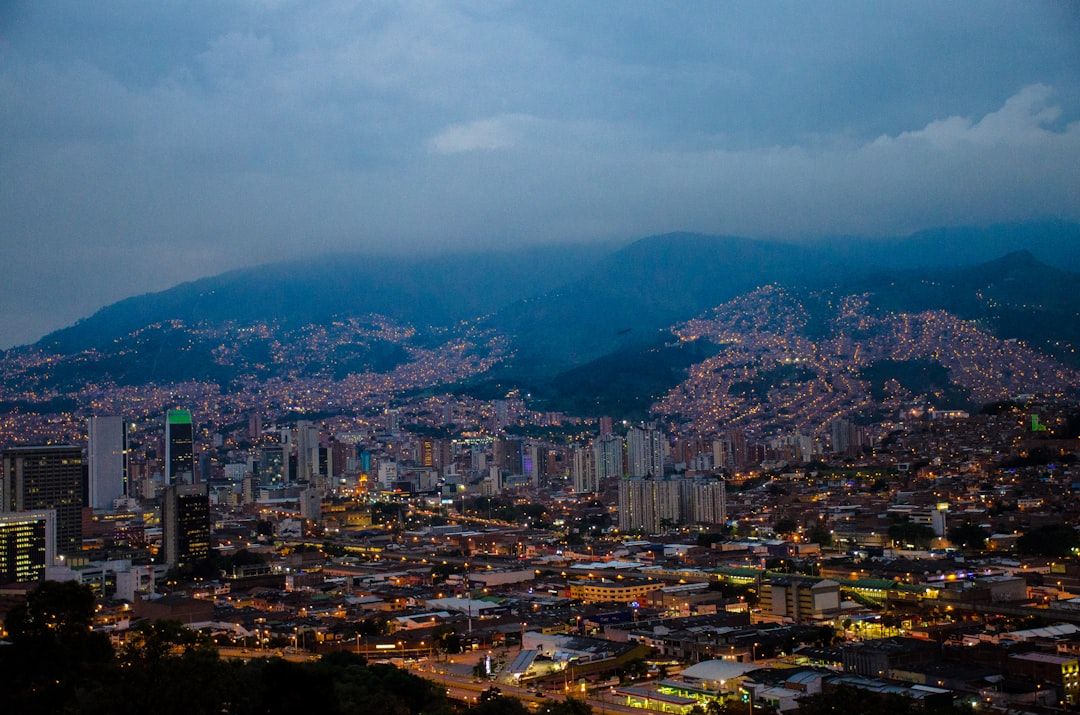
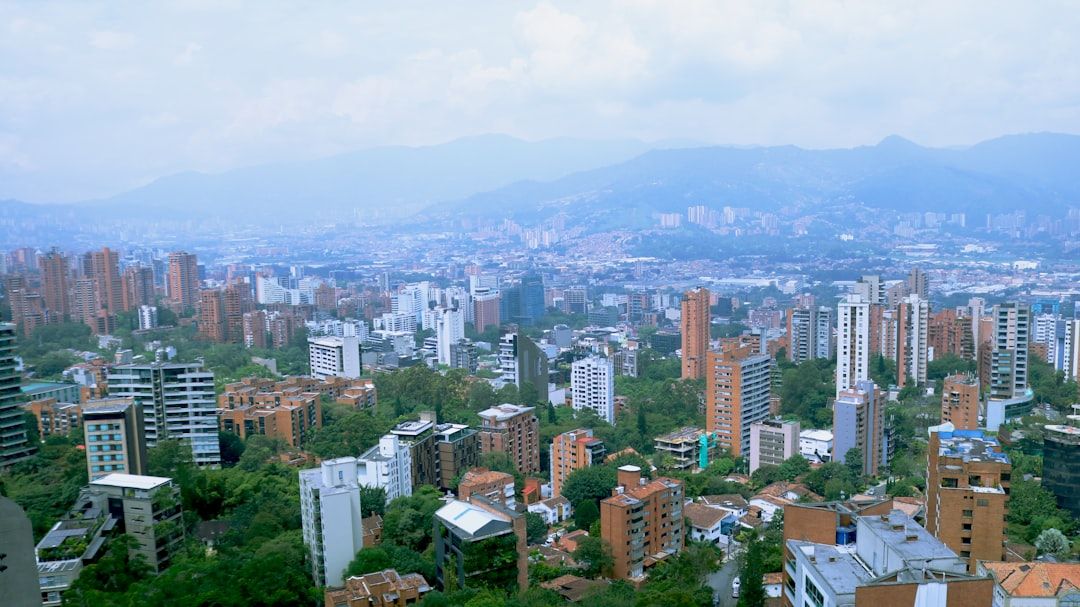
The Colombian V-type nomad visa asks for proof of remote income at roughly three times the national minimum wage, which puts the threshold near $1,000 a month, plus health cover valid in Colombia for the visa term. It is granted for up to two years. Nothing else on this list lets someone earning $1,200 a month live entirely inside the rules. In Medellín, Laureles and Envigado let a couple live well on $1,400–1,800 all in; El Poblado is where foreign money concentrated and where a one-bedroom now asks $900–1,300, which is close to what you would pay in a mid-sized US city. Take Laureles.
The real caution is not security, which is better than the reputation suggests in the neighbourhoods people actually rent in. It is altitude and rain. Bogotá sits at about 2,640 metres and the adjustment takes a fortnight. Medellín at 1,495 metres is the famously mild one, but April–May and October–November are genuinely wet, and hillside neighbourhoods without a car are hard work in the afternoon downpours.
Vietnam: cheapest to live, hardest to stay
Vietnam wins on raw numbers and loses on everything else. A one-bedroom in central Da Nang runs $350–550, a full meal at a local place is under $3, and a monthly grocery bill for one person is comfortably under $200. If cost were the only variable this article would end here. It is not, because Vietnam has no remote-worker visa. People stay on 90-day e-visas or on business visas arranged through agents, renewed indefinitely, in an arrangement that has been quietly tolerated and repeatedly re-tightened. Every rule change in the last five years has moved in one direction.
If you have a genuine local employer or a registered Vietnamese company, this is a different and much better conversation. If you are a remote worker hoping to string renewals together for five years, understand what you are actually buying: the cheapest cost of living on the list, and no security of tenure whatsoever. For a fuller picture of the day-to-day, see our guide to living in Vietnam as an expat.
Thailand: the DTV changed the arithmetic
The Destination Thailand Visa, introduced in mid-2024, is a five-year multiple-entry visa allowing 180 days per entry, extendable once inside the country. The fee is around THB 10,000 and the test is a savings balance of roughly THB 500,000, about $14,000, rather than a monthly income figure. That distinction matters more than it first appears. A freelancer with a lumpy income who cannot show six clean payslips may fail the Portuguese or Mexican test and pass the Thai one without difficulty.
Chiang Mai remains the value pick: a good one-bedroom in Nimman is THB 12,000–18,000, and outside Nimman noticeably less. The honest negative is air. From roughly late February to mid-April the burning season pushes PM2.5 in Chiang Mai into readings that would close schools in most of Europe, and there is no way to plan around it except to leave. Budget for six weeks elsewhere each spring and the cheap year stops being quite so cheap. Our Thailand expat guide goes into the seasonal detail.
Mexico: a cheap country with a demanding visa
Mexico is the clearest illustration of the argument in this article. Living costs in Mérida, Oaxaca or Puebla are genuinely low. The residency test is not. Financial solvency for Residente Temporal is pegged to the UMA and revised every February, and in practice consulates ask for around $4,300 a month in net income across six months, or a bank balance near $75,000 held for twelve. That is a higher bar than Portugal applies, on a country that costs half as much to live in.
The second trap is procedural and catches people constantly: you cannot apply from inside Mexico. The application is made at a Mexican consulate in another country, and the tourist entry card cannot be converted. Full detail is in our guide to living in Mexico as an expat.

Georgia and Albania: a year without asking permission
Both countries let a large number of nationalities, including US citizens, stay for a full year without applying for anything in advance. That is an unusual and genuinely valuable thing. Georgia adds a tax structure that has attracted a lot of freelancers: individual-entrepreneur status carries a 1 per cent turnover rate below a high revenue ceiling, and registration is fast. Tbilisi rents, however, are not what the 2019 blog posts say — the arrival of a large Russian-speaking population from 2022 roughly doubled central rents, and Vera or Vake now ask $600–900 for a decent one-bedroom.
Albania is quieter and cheaper. Tirana one-bedrooms sit around €400–600, the coast is genuinely inexpensive out of season, and the year of visa-free stay for Americans is unmatched in Europe. What you give up is depth: limited specialist healthcare outside Tirana, a small rental market with little formal tenant protection, and a route to a second year that is far less defined than the first.
Portugal: the expensive one that ends in something
Portugal costs roughly twice Vietnam and belongs on this list anyway, because it is the only country here where five years of tax residence leads to permanent residence and a citizenship application. The D8 visa asks for around four times the national minimum wage in demonstrated remote income. Note that the old NHR tax regime closed to new entrants and its replacement is much narrower — if a 2022 article promised you a flat 20 per cent, check the current rules before you build a plan on it. Lisbon and Porto rents have moved a long way; Braga, Coimbra and Setúbal are where the value now sits. See our Portugal relocation guide for the application sequence.
What does health cover actually cost?
This is the line item that most often breaks a budget built from a cost-of-living index, because the index assumes you are a local with local entitlements and you are not.
| Option | Typical monthly cost | What it does not cover |
|---|---|---|
| Nomad travel policy (SafetyWing-style) | $45–90 at 30–40 | Routine care, chronic conditions, anything pre-existing; it is emergency cover with a friendly name |
| International private medical insurance | $150–350 at 40, $350–700 at 60 | Usually a 12–24 month waiting period on pre-existing conditions |
| Local private insurance (Mexico, Thailand, Colombia) | $60–180 | Treatment outside the country; often age-capped for new entrants around 60–65 |
| Joining the national scheme (Portugal, Spain, Colombia) | Contribution-based, often $80–250 | Requires residency first, so it never covers month one |
The practical answer for most people under 45 is a local private policy plus a high-deductible international policy for anything catastrophic, which lands around $120–220 a month combined. Above 55, health cover starts to dominate the decision, and countries with an accessible national scheme — Portugal, Spain, Colombia, France — become materially cheaper than countries with a low rent and no route in.
What do the cheap-country rankings consistently get wrong?
- They price the tourist version of the city. Rankings quote central-district rents advertised in English to foreigners. The same flat listed in the local language two streets away is routinely 25–40 per cent less, and that gap is the single largest saving available to anyone willing to learn enough of the language to answer a phone call.
- They ignore the setup month. Month one costs two to four times month six. Deposit, agency fee, furnishing, a phone contract, a visa run.
- They assume prices hold. Lisbon, Tbilisi, Medellín and Canggu have all repriced upward within five years, driven substantially by the readers of articles like this one. A country that was cheap in 2021 is evidence about 2021.
- They treat 40 per cent cheaper as 40 per cent better. Below roughly $1,200 a month, further savings come out of things you will actually miss: air quality, medical depth, water reliability, an airport with direct flights home.
- They never mention exit costs. A year that saves you $9,000 and costs $3,500 to start and unwind saved you $5,500.

How should you actually pick one?
Work in this order rather than starting from a list of cities.
- Find the visas you qualify for. Take your last six months of documented income and eliminate every country whose threshold you cannot clear with paperwork you already hold. For most people this cuts the list from thirty countries to four or five, and it does so before you have grown attached to anywhere.
- Price health cover at your actual age. Get three real quotes. This number is not guessable and it changes the ranking.
- Add the fixed annual costs. Tax filing, two flights home, renewal fees, one insurance excess.
- Then compare rents — and compare them in the second-choice neighbourhood, not the one every foreigner names first.
- Test with a lease, not a holiday. Three months on a real contract in the wrong season tells you more than a year of research. Go in the worst month: Chiang Mai in March, Mérida in May, Tbilisi in January.
If you want the wider decision framework rather than the cost angle alone, our step-by-step guide to moving abroad covers the sequencing.
Frequently Asked Questions
What is the cheapest country to live in for an American in 2026?
On raw living costs, Vietnam is cheapest, with a realistic all-in budget of $950 to $1,400 a month for one person in Da Nang or Ho Chi Minh City. On cost that is legally sustainable, Colombia is the better answer, because its digital nomad visa requires only around $1,000 a month in proven remote income — the lowest threshold of any comparable country — and is granted for up to two years.
Can you live abroad on $1,000 a month?
Yes, in Vietnam, Albania, parts of Colombia and secondary Thai cities, provided you rent a modest local flat rather than an expatriate-priced one and you are under about 45, so health cover stays near $90 a month. It stops being realistic if you need international private medical insurance, want a central district in a capital city, or must show visa income above that figure, which most formal long-stay visas do.
Which cheap country has the easiest visa for remote workers?
Colombia has the lowest income threshold at roughly three times the Colombian minimum wage, near $1,000 a month. Thailand's Destination Thailand Visa is the easiest for people with savings but irregular income, because it tests a balance of about THB 500,000 rather than a monthly salary. Georgia and Albania require no visa at all for a full year for many nationalities, including US citizens.
Do you still pay US taxes if you live in a cheap country?
Yes. US citizens and green card holders file a federal return on worldwide income regardless of where they live. The Foreign Earned Income Exclusion can remove a large amount of earned income from US tax if you meet either the physical presence or bona fide residence test, but you must file to claim it. An FBAR is separately required once your combined foreign accounts exceed $10,000 at any point in the year.
How much should you save before moving to a cheap country?
Plan on six months of your target budget plus the setup costs, which in practice means $9,000 to $14,000 for a country in the $1,200 a month band. Roughly $3,000 of that goes on the first month alone: deposit, agency fee, furnishing, flights and the visa paperwork chain. Keeping three months in reserve after arrival is what stops a bad first landlord from ending the whole plan.