
Vietnam offers the best cost-to-quality ratio in Southeast Asia and the least stable immigration position of any of the popular destinations. Both things are true simultaneously, and the second one is what people underestimate.
There is no easy long-stay visa
This is the central fact. Vietnam has no retirement visa, no digital nomad visa, and no passive-income route. Thailand has the DTV and the retirement O-A; Malaysia has MM2H; Portugal has the D7. Vietnam has none of these.
The lawful long-stay routes are narrow:
| Route | Basis | Stability |
|---|---|---|
| Work permit + TRC | Vietnamese employer sponsorship | Good, 1–3 years |
| Marriage + TRC | Vietnamese spouse | Good, 3 years |
| Investor visa | Capital in a Vietnamese company | Good, tiered by amount |
| Repeated tourist visas | None | Poor and worsening |
Most long-term foreign residents who are not married to a Vietnamese citizen are here on employment. English teaching is the common entry point and requires a degree, a TEFL certificate and a clean criminal record check — and, importantly, a genuine work permit rather than the informal arrangements some schools still propose.
The tourist-visa cycle is what a lot of remote workers actually do. It is not clearly permitted, enforcement has tightened, and the realistic risk is a refused renewal that gives you weeks to restructure your life rather than a dramatic penalty. Do not build a decade around it.
The temporary residence card
Once you have a qualifying basis, the TRC is the thing to get. It grants one to three years of residence without renewals, allows multiple exits and re-entries, and makes ordinary life — bank accounts, leases, utilities — dramatically easier. Employers sometimes fail to mention it because the work permit alone satisfies their obligations; push for it.
What it actually costs
Vietnam is cheaper than Thailand, mostly on rent.
| Ho Chi Minh City | Hanoi | Da Nang | |
|---|---|---|---|
| Serviced 1-bed | $450–700 | $400–650 | $300–500 |
| Monthly total, single | $1,000–1,500 | $900–1,400 | $800–1,200 |
| Local meal | $1.50–3 | $1.50–3 | $1.50–2.50 |
Serviced apartments including cleaning and utilities are the norm for foreigners and are excellent value. The costs that escalate are the imported ones: Western groceries, international schools at 15,000 to 30,000 dollars a year, and private healthcare.
Healthcare, which needs planning
This is Vietnam's weakest point relative to Thailand. Public hospitals are inexpensive and heavily overcrowded, with limited English. The international hospitals — FV and Vinmec in Ho Chi Minh City, Vinmec and Family Medical in Hanoi — are good but expensive, and the range of complex specialist care available in-country is narrower than in Bangkok or Singapore.
Serious conditions frequently mean medical evacuation. Any insurance policy you hold here should include evacuation cover to Bangkok or Singapore explicitly; it is the difference between a manageable event and a ruinous one.
Hanoi or Ho Chi Minh City
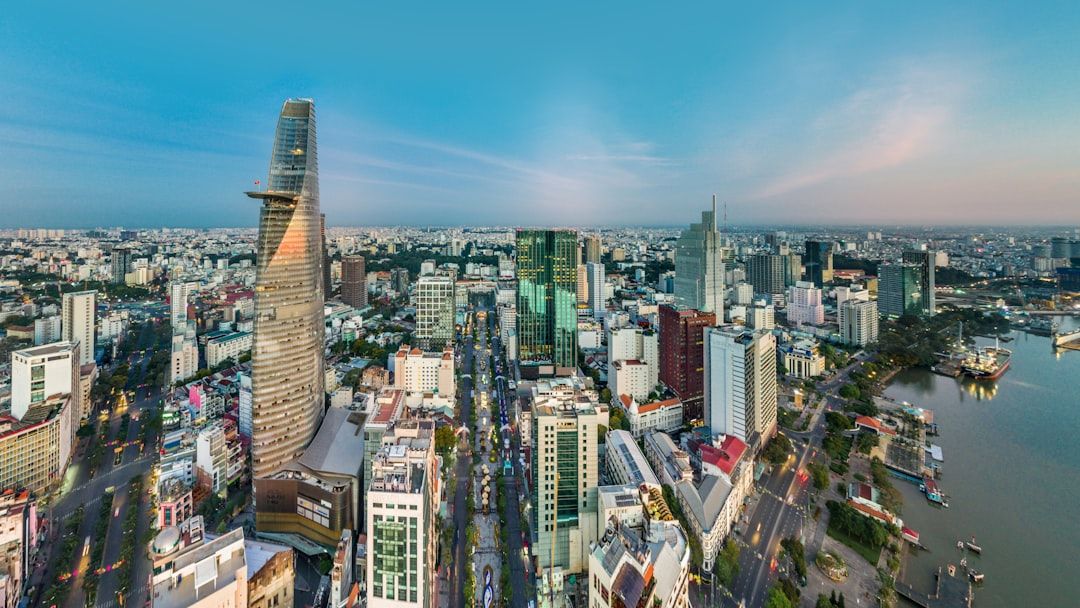
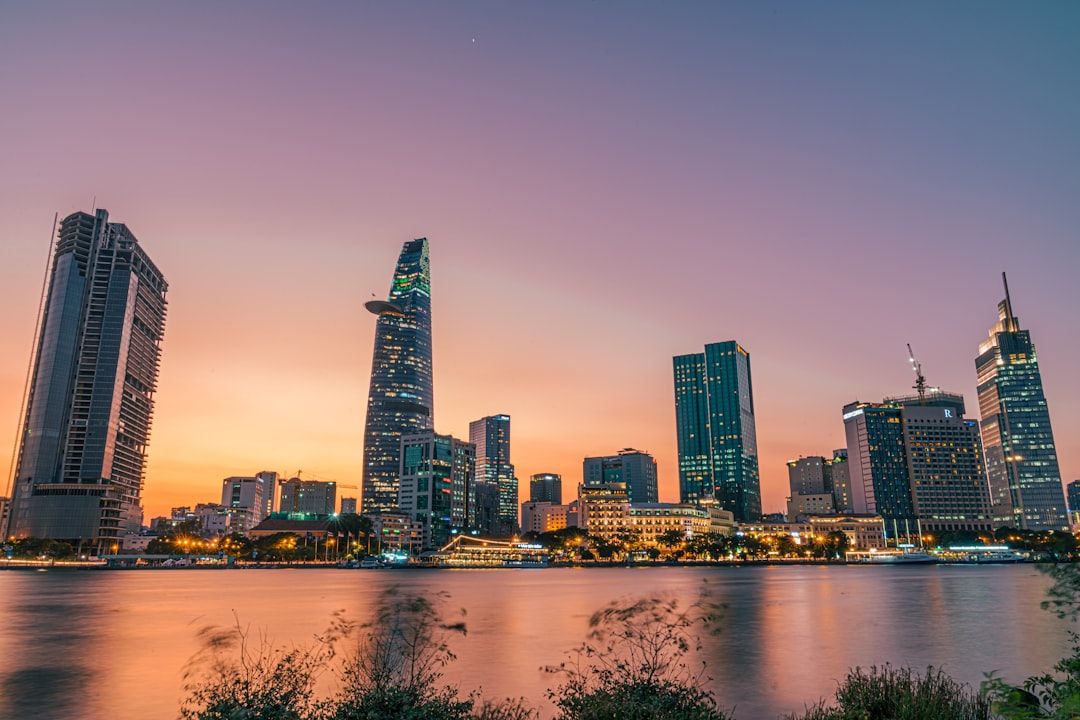
Ho Chi Minh City is commercial, hot year-round, faster, with the larger job market and the bigger foreign community. Hanoi is older, denser, more culturally layered, and has actual seasons — including a damp, genuinely cold winter that surprises people who assumed all of Vietnam is tropical, and a humid summer.
Da Nang is the third option and is increasingly the one remote workers choose: coastal, cheaper, far less traffic, good air, and a growing but still small foreign community.
Air quality is a real consideration in both major cities. Hanoi in particular has extended periods of poor air in the winter months, comparable to the worse readings in the region.
The honest summary
If you have an employer, a Vietnamese spouse, or capital to invest, Vietnam is superb value with a stable legal footing. If you are a retiree or an unattached remote worker looking for a decade-long base, the absence of any visa designed for you is a structural problem that no amount of enthusiasm for the country solves.