Costa Rica has been a retirement destination for North Americans for decades and the system reflects that: the income thresholds are low by international standards, the process is well trodden, and there is one obligation that surprises nearly everyone.
The residency categories
| Category | Requirement | Work rights |
|---|---|---|
| Pensionado | $1,000/month lifetime pension | Own a company, not employment |
| Rentista | $2,500/month for 2 years, or $60,000 deposited | Same |
| Inversionista | $150,000 investment | Same |
| Digital nomad | ~$3,000/month remote income | Foreign employer only |
The pensionado threshold of $1,000 a month is among the lowest anywhere, which is why Costa Rica attracts modest-income retirees rather than only wealthy ones. It must be lifetime pension income — Social Security qualifies, a drawdown from savings generally does not.
Rentista covers people without a pension: either demonstrate $2,500 monthly for two years, or deposit $60,000 in a Costa Rican bank to be paid out to you over two years.
All three lead to temporary residency, renewable, and after three years you can apply for permanent residency, which removes most restrictions.
The Caja, which is not optional
This is the part people do not budget for.
Every legal resident must enrol in and contribute to the Caja Costarricense de Seguro Social, the national health system. Contributions are assessed on declared income and typically run 7 to 11 percent.
You cannot opt out by holding private insurance. It is a condition of residency, checked at renewal.
What you get is genuine: universal coverage including prescriptions, at a standard well above regional norms. The trade-off is waiting times for non-urgent specialist care, which is why many expats pay into the Caja as required and carry private insurance for speed. Private consultations are inexpensive by US standards — $60–100 with an English-speaking specialist.
Where to live, and the price gap
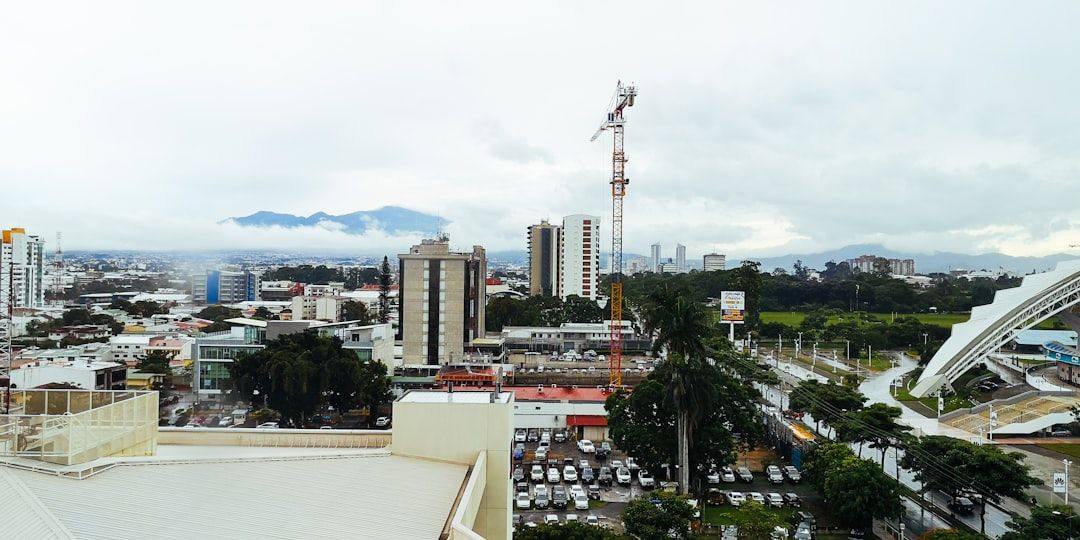
The Central Valley — San José, Escazú, Atenas, Grecia, San Ramón — sits at 1,000–1,400 metres with a mild year-round climate that locals call eternal spring. It has the best hospitals, the international airport, and prices far below the coast. This is where most long-term residents actually settle.
The Pacific coast — Tamarindo, Nosara, Manuel Antonio, Uvita — is what people picture. It is hotter, more humid, considerably more expensive, and heavily seasonal. Rents can double and many businesses close in the September–October low season.
The Caribbean side — Puerto Viejo, Cahuita — is cheaper, wetter, culturally distinct with strong Afro-Caribbean influence, and has thinner infrastructure.
| Central Valley | Pacific coast | |
|---|---|---|
| 1-bed rental | $500–900 | $900–1,800 |
| Couple monthly | $2,000–2,800 | $2,800–4,000 |
The costs that surprise
Imported goods carry heavy duties. Cars in particular are dramatically more expensive than in the US — a used vehicle can cost double what you would pay at home. Electronics and appliances likewise.
Electricity is expensive, which matters if you air-condition a coastal house.
Local produce, rent and labour are cheap. A diet of local food from the weekly feria costs very little; a diet of imported American brands costs more than in America.
Practical notes
The residency process is slow — commonly nine to eighteen months — and most people use a local attorney. You can remain in the country while the application is pending.
Costa Rica taxes on a territorial basis, so foreign-source income is generally not taxed locally. Americans still file US returns and FBAR.
Spanish matters more here than in the tourist towns suggests. Around Escazú and Tamarindo you can function in English; in Atenas or Grecia, where the value is, you will need Spanish within months.