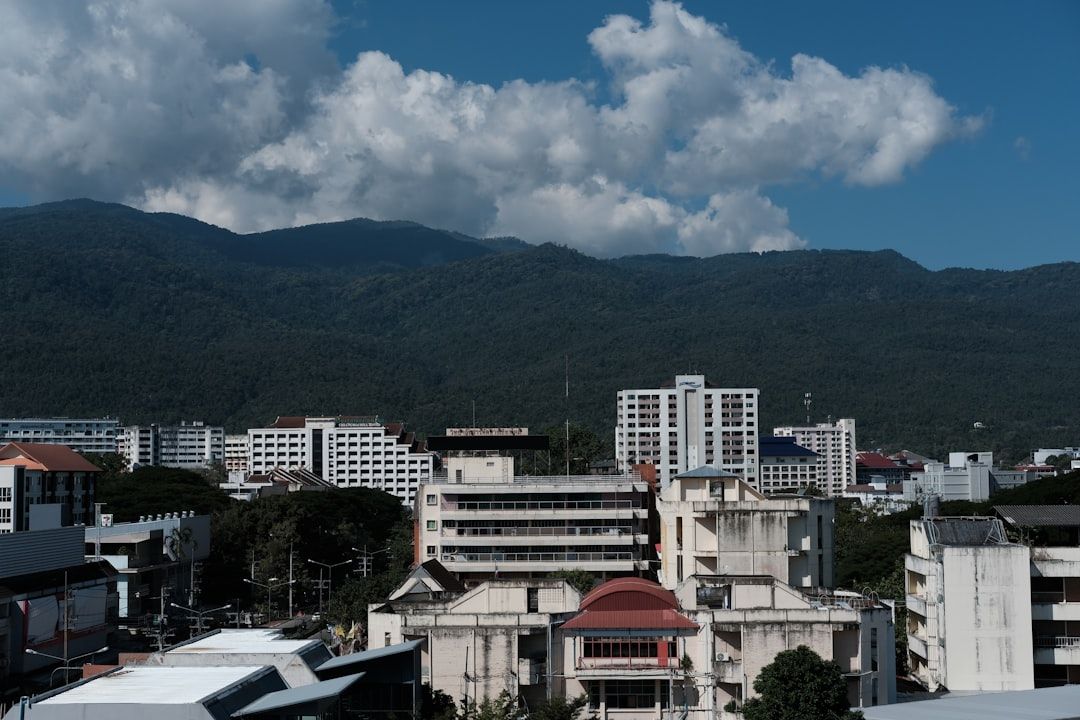
I moved to Chiang Mai a year ago, and the process was harder and more rewarding than I expected. The paperwork took longer, the culture shock was deeper, and the quality of life was better than anything I'd been told. Here's what I wish someone had told me before I booked my flight.
Moving to Chiang Mai: What I Wish I'd Known
I moved to Chiang Mai a year ago, and the process was harder and more rewarding than I expected. The paperwork took longer, the culture shock was deeper, and the quality of life was better than anything I'd been told. Here's what I wish someone had told me before I booked my flight.
Before You Move: The Paperwork
Start your paperwork at least 6 months before your move date. You'll need: a valid passport (with 6+ months validity), a visa (type depends on your situation), apostilled documents (birth certificate, marriage certificate if applicable), and proof of income or savings. Some documents take weeks to process — don't leave this to the last minute.
Finding a Place to Live
Don't sign a long-term lease sight unseen. Book an Airbnb or hotel for the first 2-4 weeks and view apartments in person. Rental scams targeting foreigners are common. A legitimate landlord will provide: a proper contract, a property registration number, and receipts for all payments. Never pay a deposit before viewing the property and verifying the landlord's identity.

The First Month: Setting Up
Your first month is about basics: getting a local phone number, opening a bank account, registering with the local municipality, and finding a doctor. Each of these requires specific documents and has its own bureaucracy. Budget 2-3 weeks for this process. It's frustrating but necessary — you can't function without these basics.
Money and Banking
Opening a bank account in Thailand requires: your passport, proof of address, a tax number (which you apply for separately), and sometimes a reference from your home bank. Some banks are more foreigner-friendly than others — ask in expat groups for recommendations. Transfer money via Wise or Revolut rather than bank transfers — the fees and exchange rates are significantly better.
What I'd Do Differently
I'd learn more of the language before arriving. I'd bring fewer things — everything you need is available locally. I'd connect with the expat community before moving, not after. And I'd budget 20% more than I thought I needed, because the unexpected costs in the first three months are real. But I'd still move — the experience has been worth every challenge.
What flights LON to CNX actually cost
Prices below are live fares from Aviasales. We may earn a commission if you book through these links, at no extra cost to you.
Cheapest dates to fly
| Departure | Price | Airline | Stops | |
|---|---|---|---|---|
| 25 Nov 2026 | €541 | MU | 2 stop | Check |
| 8 Apr 2027 | €560 | MU | 1 stop | Check |
| 26 Dec 2026 | €729 | MU | 2 stop | Check |
| 14 Dec 2026 | €932 | easyJet | 3 stop | Check |
Live fares, checked 23 Aug 2026. Prices change daily.
Booking in Chiang Mai: where to look
We may earn a commission from the links below, at no extra cost to you. We only list services we would use ourselves.
- Airalo — eSIM data the moment you land, no SIM swap
- Saily — Travel eSIM with per-country plans
- Yesim — eSIM covering multiple countries on one plan
Frequently asked questions
Is Thailand expensive to visit?
No, Thailand is moderately priced. A budget traveler can manage on £35-50/day, while a mid-range traveler should budget £60-125/day. Prices are lower than Western Europe but higher than Southeast Asia.
What's the best time to visit Thailand?
Spring (March-May) and autumn (September-November) offer the best weather and fewer crowds. Summer is peak season with higher prices. Winter varies by region — some areas are cold and quiet, others are mild and pleasant.
Do I need a visa for Thailand?
Visa requirements depend on your nationality. Most Western passports get 30-90 days visa-free or visa-on-arrival. Check the official Thailand government website for current requirements before traveling.
Is Thailand safe for tourists?
Thailand is generally safe for tourists. Exercise normal precautions: be aware of pickpockets in tourist areas, avoid walking alone at night in unfamiliar neighborhoods, and keep copies of important documents. Violent crime against tourists is rare.
What language is spoken in Thailand?
The official language is the local language. English is spoken in tourist areas, hotels, and larger cities, but less so in rural areas. Learning a few basic phrases will significantly improve your experience.