Japan is one of the harder countries to move to for reasons that have nothing to do with difficulty of life once you arrive. The immigration system is orderly and predictable — it simply does not have a category for someone who wants to live there on their own money.
There is no retirement route
This is the fact that shapes everything. Japan offers no retirement visa, no passive-income visa and no digital nomad visa of the kind Spain, Portugal and Thailand now run.
The lawful long-stay categories are:
| Route | Basis | Notes |
|---|---|---|
| Work visa | Japanese employer sponsorship | Most common; tied to job category |
| Spouse of Japanese national | Marriage | Broad work rights |
| Highly Skilled Professional | Points for education, income, age | Fast track to permanent residence |
| Business manager | Capital and a real business | Roughly ¥5m minimum, plus premises |
| Student | Enrolment | Limited part-time work |
Note that work visas are granted for a category of work — engineer, specialist in humanities, instructor — and switching to unrelated work requires changing status, not just changing jobs.
The Certificate of Eligibility
The process is back to front compared with most countries.
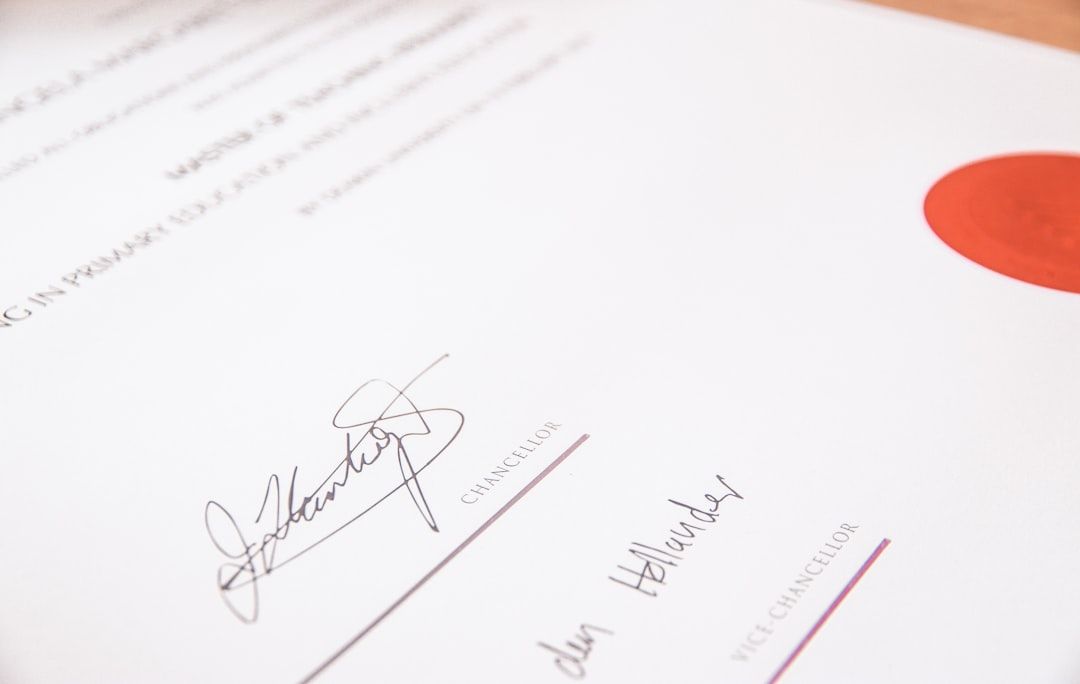
Your sponsor in Japan — employer, school, or spouse — applies to immigration for a Certificate of Eligibility on your behalf. That takes one to three months. Only once it is issued do you take it to a Japanese consulate in the US, where the visa itself is granted quickly.
You cannot start this from outside without a sponsor. That is the whole gate.
The residence card
On arrival at a major airport you are issued a zairyu residence card. It is your identity document and the system is strict about it:
Register your address at the local ward office within 14 days of moving in. Carry the card at all times — police can ask, and failing to have it carries a fine. Report changes of address, employer or marital status. Use it to open a bank account and get a phone contract, neither of which happens without it.
Re-entry permits are automatic for absences under a year, but leaving for longer without arranging one voids your status.
The realistic ways in
Teaching English. Still the most common route for Americans. The JET Programme places assistant teachers in public schools and is government-run and well regarded; the private conversation-school chains hire year-round. Requirements are a bachelor's degree in any subject and native fluency. No Japanese needed.
Skilled transfer. If you work in tech, finance or engineering, an intra-company transfer or a direct hire is the cleaner path, and the Highly Skilled Professional points system can reduce the permanent residence wait to as little as one to three years.
Study. A language school gets you in and provides time to job hunt, though it is expensive and work rights are capped at 28 hours a week.
Money and daily life
| Tokyo | Osaka | Regional city | |
|---|---|---|---|
| 1-bed rental | ¥90–160k | ¥60–100k | ¥45–70k |
| Single monthly total | ¥250–350k | ¥200–280k | ¥160–230k |
The move-in cost is the shock: Japanese leases commonly demand key money (a non-refundable gift to the landlord), a deposit, agency fee and first month together — frequently four to six months' rent up front. Some newer agencies and foreigner-friendly landlords have dropped key money, and it is worth seeking those out.
Health insurance is mandatory. Employees join the employer scheme; everyone else enrols in National Health Insurance at the ward office, which covers 70 percent of costs.
Japan taxes residents on worldwide income after five years; before that, non-permanent residents are taxed on Japan-source income plus foreign income remitted into Japan. Americans continue filing US returns regardless.