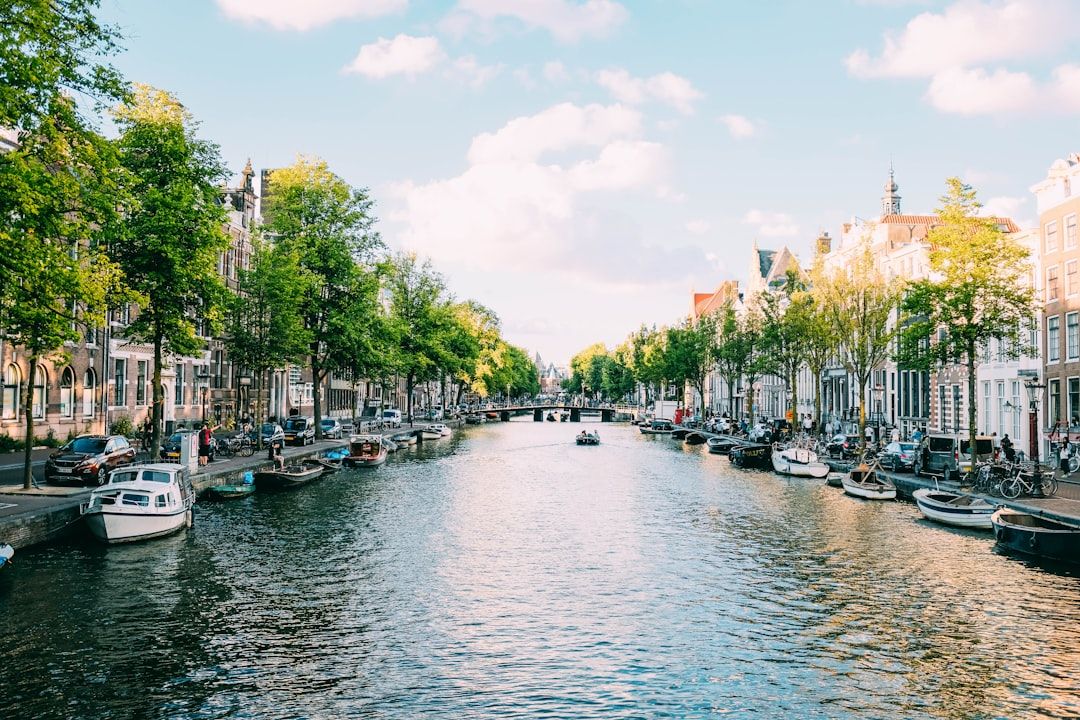
The Netherlands is a straightforward place to live once you are established: English is spoken nearly universally, the infrastructure works, and skilled migration is well organised. The obstacle is entirely at the front — finding somewhere to live.
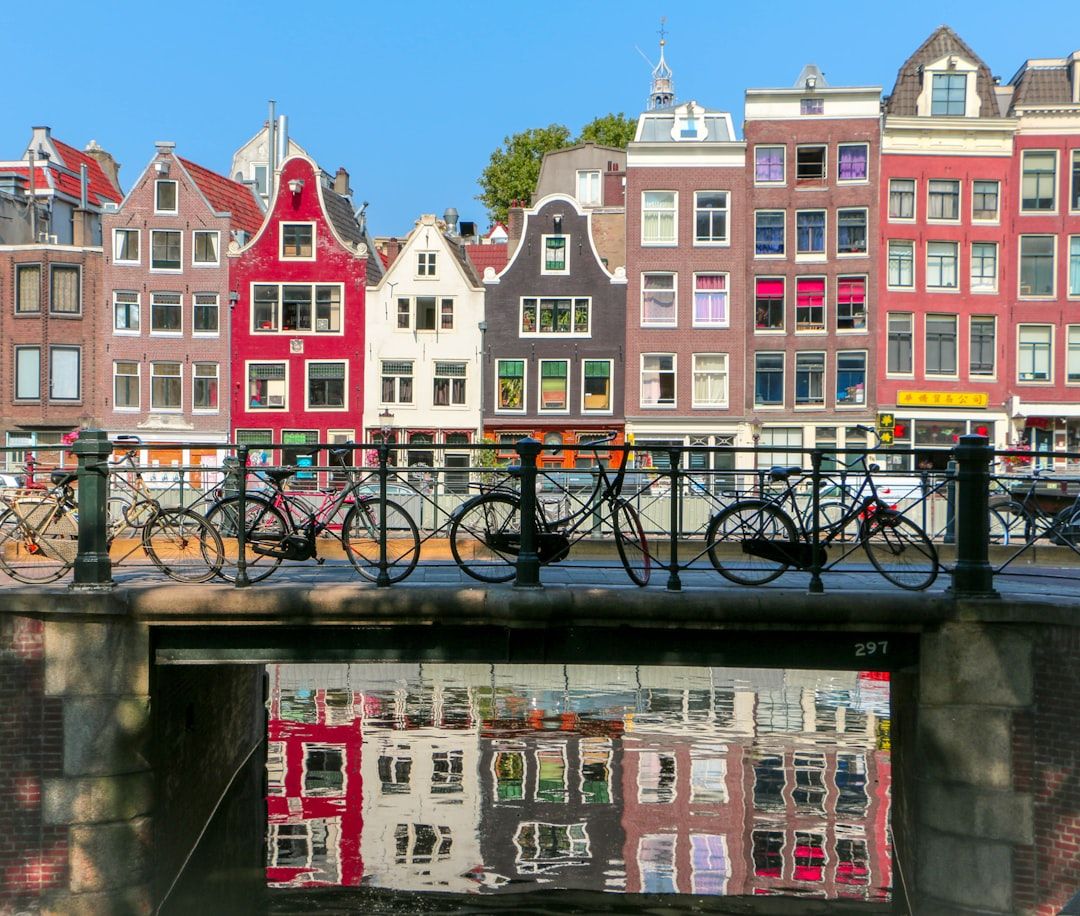
The housing problem
This deserves to come first because it is what actually derails moves here.
Demand in Amsterdam, Utrecht, Rotterdam and the university cities substantially exceeds supply. A rental viewing can attract dozens of applicants. Landlords commonly require proof of income three to four times the monthly rent, an employment contract, and sometimes a Dutch guarantor.
Practical consequences:
Do not arrive without temporary accommodation booked for at least the first month, and expect to need two or three.
Employers frequently help, and for a skilled-migrant hire it is reasonable to ask whether relocation support includes housing search. Many do.
Look beyond Amsterdam. Haarlem, Utrecht, Leiden, Delft, Rotterdam and Almere are all within commuting distance on excellent rail, and the market is less brutal.
Beware rental scams. Requests to transfer a deposit before viewing are the standard fraud, and it is common enough that the police publish warnings.
The 30% ruling, as it now stands
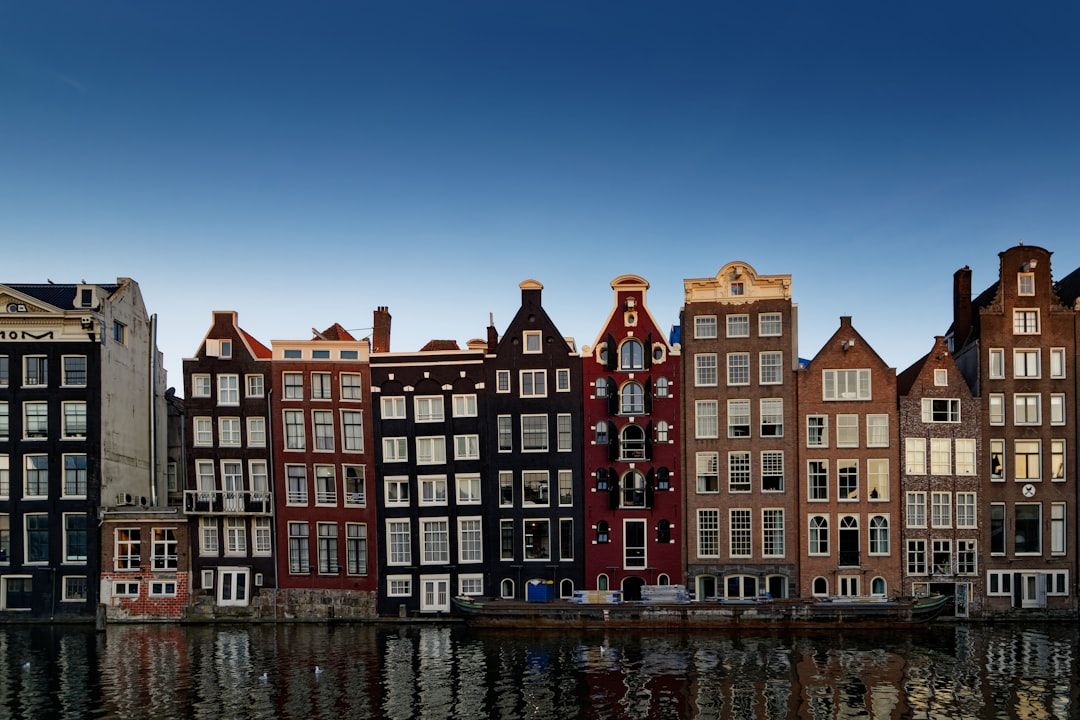
The Dutch tax facility for incoming skilled workers allows a portion of salary to be paid free of income tax, intended to compensate for relocation costs.
It has been curtailed repeatedly: the duration was reduced to five years, a salary cap was introduced, and the benefit is being tapered in stages rather than remaining a flat 30 percent throughout.
Because the rules have changed several times and are applied according to your start date, check the current position for your specific circumstances rather than relying on any general description, including this one. Your employer's payroll provider will know.
Qualifying generally requires being recruited from abroad, meeting a minimum salary threshold, and having lived more than 150 km from the Dutch border before hiring.
Getting set up
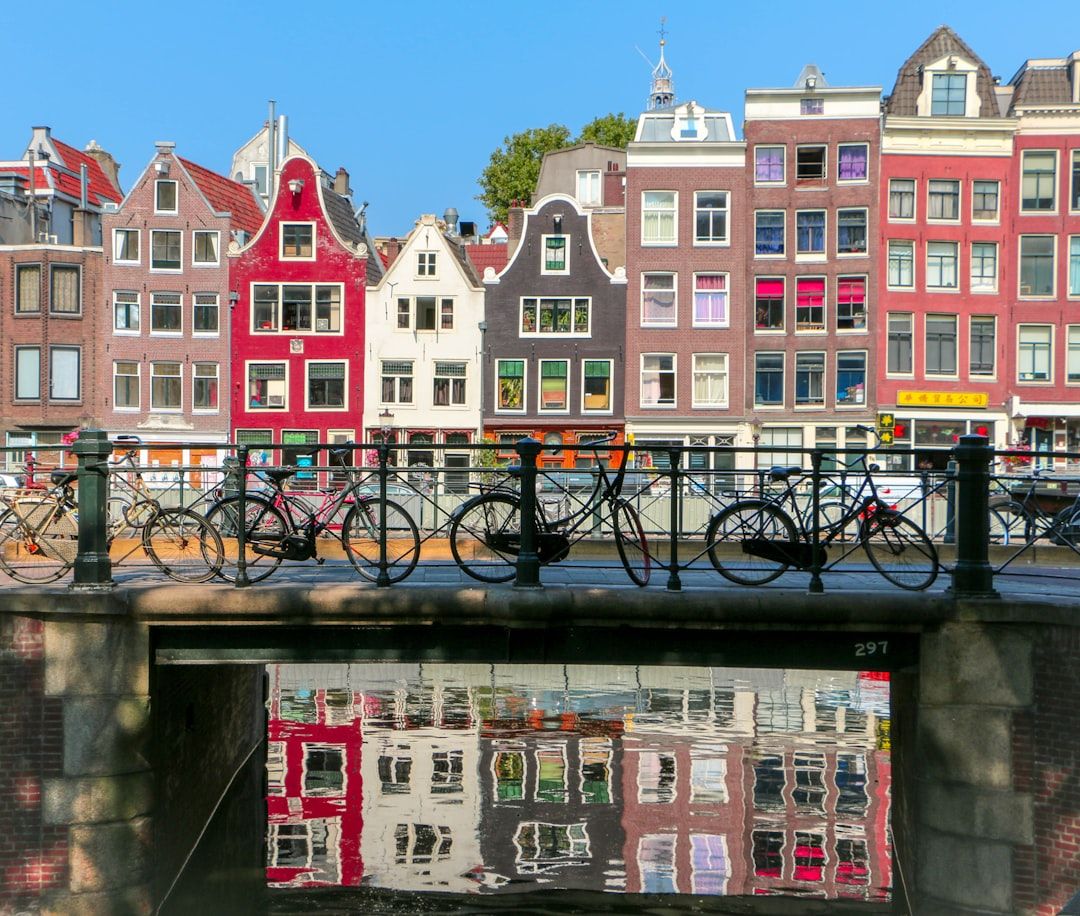
The BSN — burgerservicenummer — gates everything: employment, banking, healthcare, tax. You get it by registering at your municipality, which requires proof of address.
That creates the well-known chicken-and-egg problem: you need housing to register, and a BSN to do most things including opening the bank account a landlord wants to see. Some municipalities permit registration at a temporary address, and some employers can help. Ask early.
DigiD is the digital identity used for government services and follows once you have a BSN.
Health insurance is mandatory within four months of arrival — basic cover runs roughly €140–170 a month from any of the major insurers. Missing the deadline brings fines and backdated premiums.
Costs
| Amsterdam | Rotterdam / Utrecht | Smaller cities | |
|---|---|---|---|
| 1-bed rental | €1,500–2,200 | €1,100–1,600 | €850–1,300 |
| Health insurance | €140–170 | €140–170 | €140–170 |
| Couple monthly | €3,200–4,200 | €2,600–3,400 | €2,200–2,900 |
Income tax is high — the top bracket approaches 50 percent — which the 30% ruling partially offsets for those who qualify.
Daily life
English is genuinely sufficient for work and daily life in the Randstad, which is unusual in Europe. Learning Dutch remains worthwhile for integration and is required for naturalisation, but you will not be stuck without it.
Cycling is transport, not recreation. Buy a decent second-hand bike and two good locks; bike theft is endemic. The lanes are a fast-moving network and hesitation in them is genuinely dangerous.
Directness. Dutch communication is blunt by American and British standards and is not intended as rudeness. Most arrivals find it refreshing within a few months and exhausting for the first few weeks.
Appointments. Social life runs on scheduling — dropping in unannounced is unusual, and diaries fill weeks ahead. It is a real cultural difference rather than coldness.