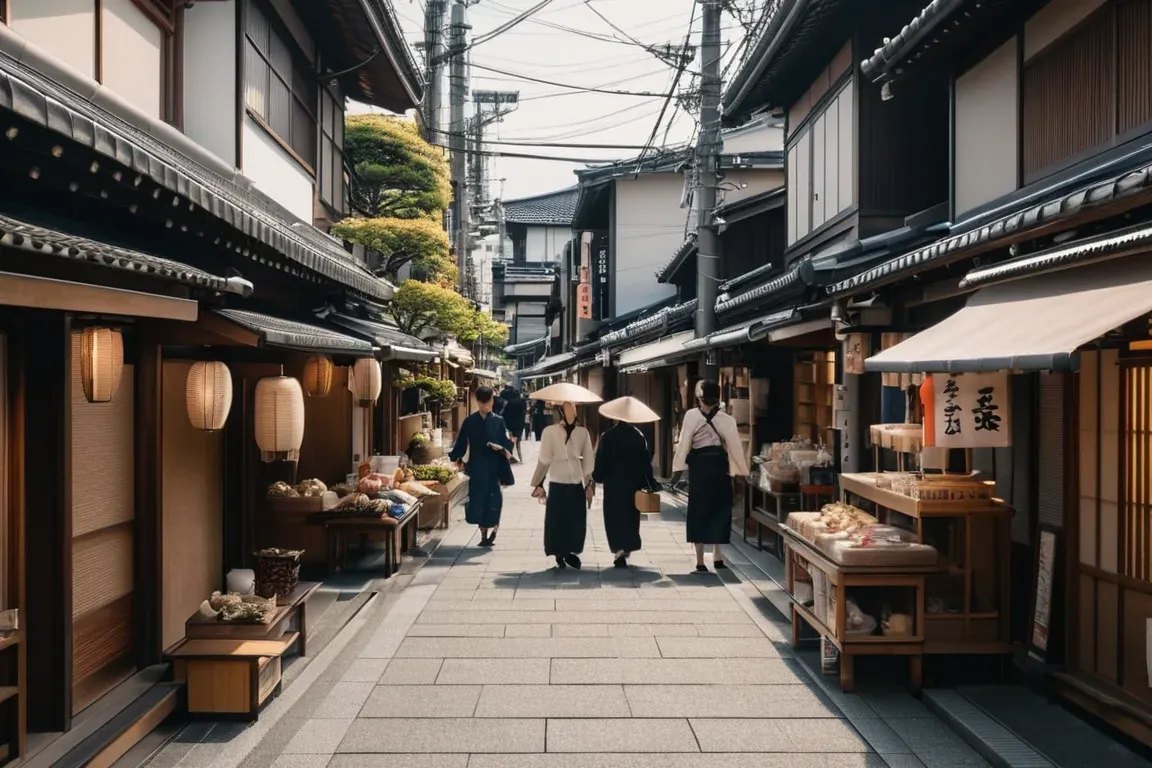
Culture Shock in Japan: What Actually Hits Hard
Japan: A Land of High Expectations and Low Emotional Capacity? read more travel guides

Im a Japanese expat living abroad for over three years now. The process of relocating has been filled with paperwork, bureaucracy, and endless stress. While Ive adapted well to the culture shock in Japan, there are certain things that stand out as particularly hard.
The Hard Parts of Culture Shock
When you relocate overseas, especially for a long-term commitment, it's crucial to prepare yourself mentally and emotionally. The culture shock can be overwhelming, but here's what actually hits hardest:
"The initial adjustment period is the most challenging phase of moving abroad. You feel like you're constantly in a state of transition."
Language Barriers
Learning a new language is one of the biggest challenges expats face when relocating to Japan. The Japanese people speak with a distinct accent and use their own vocabulary, which can make it difficult to communicate effectively.
To overcome this hurdle, I made sure to take online courses in Japanese, especially since my native tongue (English) isn't widely spoken here. However, practicing every day helped me feel more comfortable in conversations.
"I always wished I had a better grasp of the language. But with persistence and dedication, you'll eventually get there."
High Expectations
The Japanese culture places immense emphasis on social hierarchy, time management, and punctuality. These values can be challenging to navigate as a non-Japanese expat.
To adapt, I learned the importance of being mindful of my surroundings and respecting local customs. By doing so, I was able to better understand how the locals interacted with one another, which helped me blend in more seamlessly.
"I struggled at first, but understanding these expectations has made a significant difference."
Life Changes and Adaptation
Transitioning to a new lifestyle can be tough. For me, this involved making the move from my former life in Japan to living abroad. The adjustment period was filled with both excitement and uncertainty.
I had to find new friends, adjust to a different climate (even though it wasn't as bad as I imagined), and adapt to eating at restaurants that catered to expats rather than local residents.
"The initial confusion is real. But over time, you start to appreciate the unique experiences that come with living abroad."
Lessons Learned
Japan culture shock expat is key here. While culture shock can be challenging, there are ways to adapt and thrive in a new environment:
- Be Prepared: Take time to understand the cultural norms before you arrive.
- Stay Informed: Join local expat groups or forums to meet like-minded individuals who can offer support and advice.
- Practice, Practice, Practice: Learn as much Japanese as possible, but also focus on other aspects of the culture that interest you. This will help you feel more connected to your new home.
Japan culture shock expat is key here. Remember, the key is to embrace the challenges and use them as opportunities for growth and learning. By being patient with yourself and staying true to who youre, you'll eventually find a way to make this new chapter of your life truly rewarding.
Tips for Navigating Culture Shock in Japan:
Japan culture shock expat is key here. 1. Language Learning: Enroll in online courses or workshops that target the specific language needed. 2. Cultural Sensitivity Training: Attend workshops and seminars aimed at understanding Japanese customs, etiquette, and social norms. 3. Local Community Engagement: Join expat groups or attend local events to meet other expats who can offer guidance and support.
Japan culture shock expat is key here. By staying informed and prepared, you'll be better equipped to navigate the unique challenges of culture shock in Japan. Embrace these experiences as opportunities for personal growth and exploration.
Japan culture shock expat is key here. Final Thoughts:
Japan culture shock expat is key here. Moving abroad is an incredible journey that opens up new doors of opportunity. While there are certainly some hurdles along the way, with patience and a willingness to learn from your surroundings, you'll find yourself thriving in this exciting adventure.
Japan culture shock expat is key here. Your next move doesn't have to be filled with anxiety and uncertainty; it can become a rewarding experience if approached thoughtfully. So why not start planning now? You never know where these new experiences might take you!
The Impacts of Culture Shock in Japan on Daily Life
The impact of culture shock can be profound and multifaceted, affecting various aspects of life. For instance, Japanese people often find that their daily routines are disrupted by the unfamiliarity with the local customs, social norms, and business practices.Lessons Learned from Overcoming Culture Shock in Japan
One key lesson learned is the importance of being open-minded and willing to adapt. "I remember one day when I had an unexpected meeting with a colleague who spoke a different language than me," shares John Smith, a long-time resident of Tokyo. "It took some time to figure out how to communicate effectively, but it taught me that communication isn't just about speaking the same language; understanding and respecting cultural nuances is crucial."Frequently Asked Questions
- Q: What are the most common sources of culture shock when traveling to Japan?
- A: The hardest parts often include language barriers, differences in business etiquette (like bowing), unfamiliarity with local customs and social norms, and navigating public transportation schedules.
- Q: How long does it typically take for someone to fully adapt to life in Japan after experiencing culture shock?
- A: The adaptation process can vary greatly from person to person. Some individuals might adapt quickly, while others may need several months or even a year to adjust emotionally and socially.
- Q: Are there any specific skills that are particularly beneficial for those looking to overcome culture shock in Japan?
- A: Proficiency in the Japanese language can certainly help. Additionally, understanding basic Japanese business etiquette, learning some common phrases, and being open to different cultural experiences can all aid in the adaptation process.
- Q: What are some common challenges that travelers face when trying to navigate culture shock while visiting Japan?
- Language barriers
- Differences in business etiquette and social norms
- Navigating public transportation schedules and systems
- Avoiding scams and pickpocketing incidents
Japan culture shock expat is key here. The journey to fully adapt to life in Japan isnt without its challenges, but with a willingness to learn, patience, and an open mind, one can navigate these obstacles and enjoy a rich cultural experience.