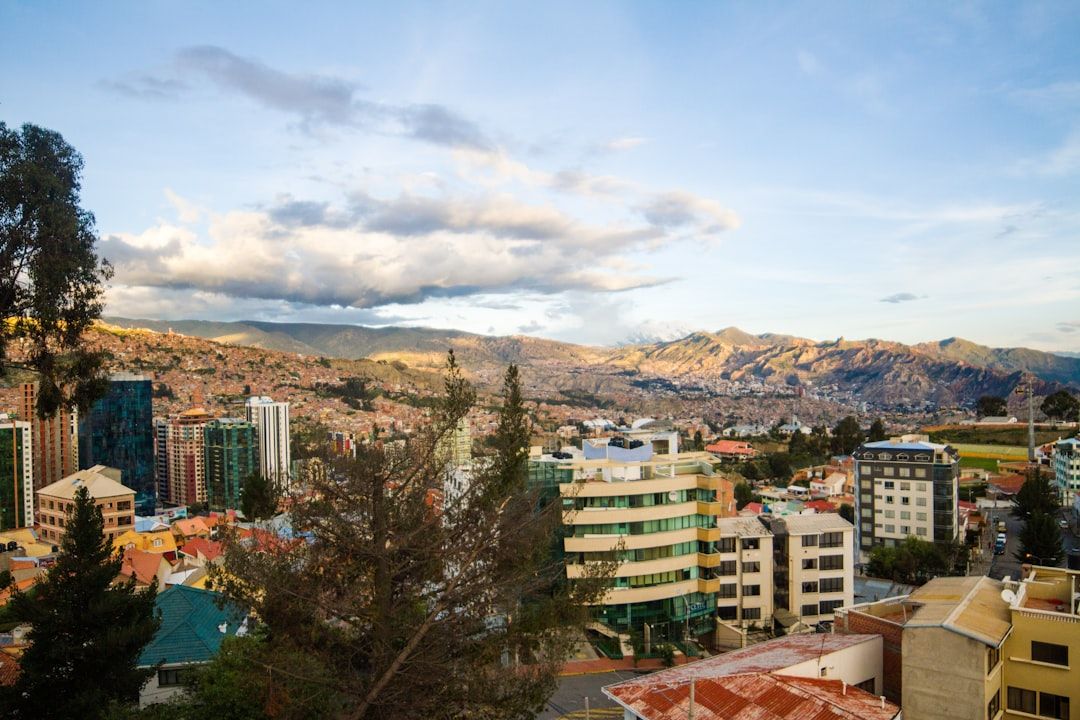
Everyone told me about the obvious differences — the food, the language, the weather. What nobody mentioned were the subtle cultural assumptions that catch you off guard six months in, when you think you've adjusted. Here's what surprised me about living in Bolivia.
The Culture Shock I Didn't Expect in Bolivia
Everyone told me about the obvious differences — the food, the language, the weather. What nobody mentioned were the subtle cultural assumptions that catch you off guard six months in, when you think you've adjusted. Here's what surprised me about living in Bolivia.
The First Month: Obvious Differences
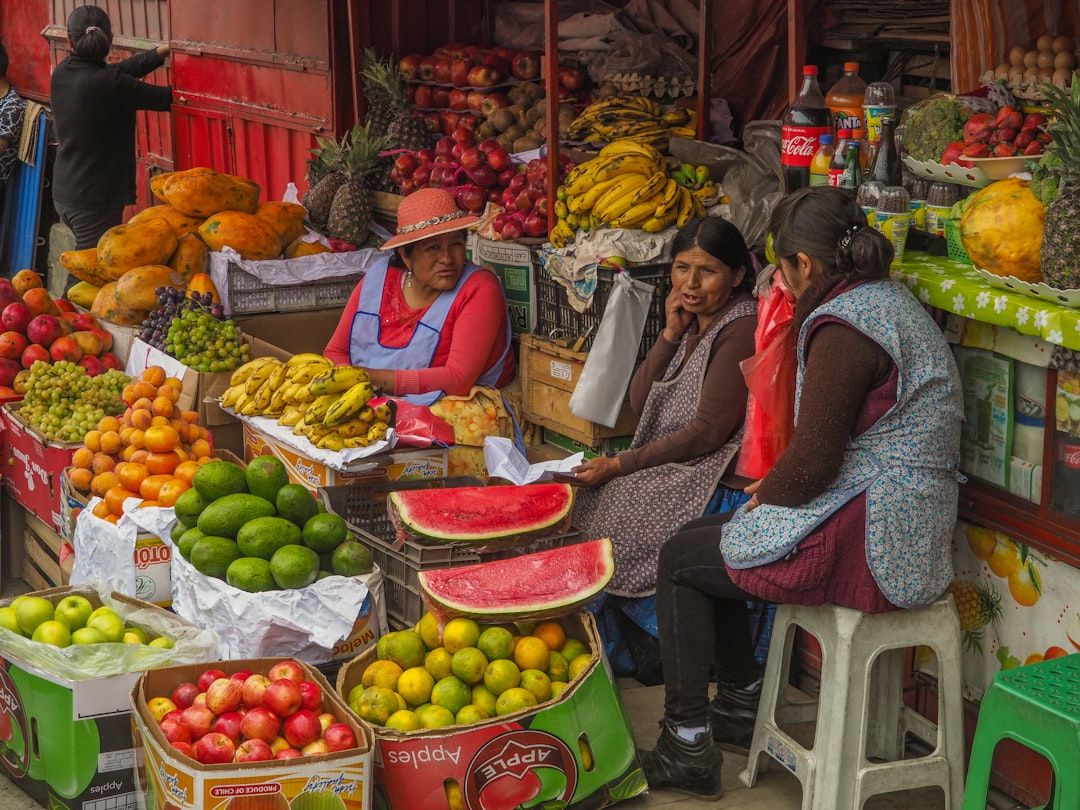
The first weeks are easy. Everything is new and exciting. The food is different, the architecture is beautiful, the pace of life feels refreshing. You're in the honeymoon phase, and every small difference feels like an adventure. This is not culture shock — this is tourism wearing a residency mask.
Months 3-6: The Real Adjustment
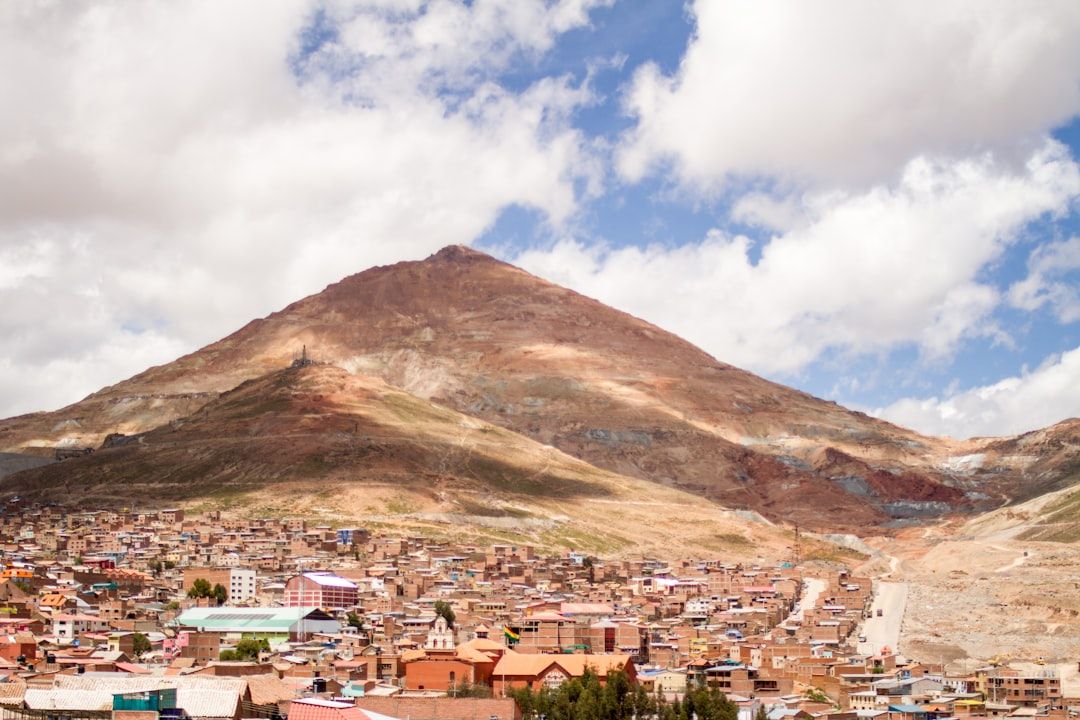
Around month three, the novelty wears off and the friction begins. The bureaucracy that seemed charming is now infuriating. The social customs that seemed quaint now feel alienating. You realize that "yes" doesn't always mean yes, that directness is rude, that time works differently here. This is where most expats either adapt or start planning their exit.
The Social Barrier: Making Local Friends
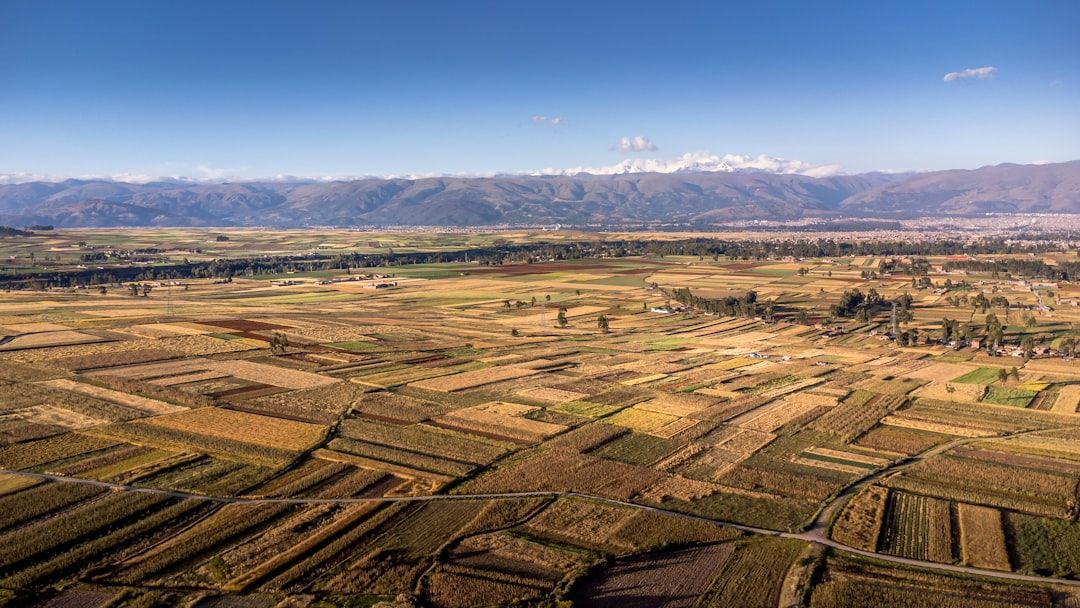
The hardest part of culture shock isn't the food or the language — it's the social isolation. Making local friends in Bolivia takes longer than you expect. People are friendly but not immediately open. It takes 6-12 months to build real friendships, and the key is sustained effort: joining clubs, attending events, and putting yourself in situations where you're the outsider.
What Helped Me Adjust
Three things made the difference: learning the language (even badly), finding a routine, and accepting that I would always be a bit of an outsider. The language is the most important — even basic conversational ability changes how locals interact with you. The routine gives you stability when everything else feels unfamiliar. And accepting your outsider status removes the pressure to "fit in" perfectly.
Would I Do It Again?
Yes. Culture shock is real and it's hard, but it's also the point. If you wanted everything to be the same, you'd stay home. The discomfort of adjustment is the price of growth, and after two years in Bolivia, I'm a different person — more patient, more adaptable, more aware of my own cultural assumptions. That's worth the hard months.
What flights LON to LPB actually cost
Prices below are live fares from Aviasales. We may earn a commission if you book through these links, at no extra cost to you.
Cheapest dates to fly
| Departure | Price | Airline | Stops | |
|---|---|---|---|---|
| 2 Sept 2026 | €1278 | W9 | 4 stop | Check |
Live fares, checked 23 Aug 2026. Prices change daily.
Booking in La Paz: where to look
We may earn a commission from the links below, at no extra cost to you. We only list services we would use ourselves.
- Airalo — eSIM data the moment you land, no SIM swap
- Saily — Travel eSIM with per-country plans
- Yesim — eSIM covering multiple countries on one plan
Frequently asked questions
Is Bolivia expensive to visit?
No, Bolivia is moderately priced. A budget traveler can manage on £35-50/day, while a mid-range traveler should budget £60-125/day. Prices are lower than Western Europe but higher than Southeast Asia.
What's the best time to visit Bolivia?
Spring (March-May) and autumn (September-November) offer the best weather and fewer crowds. Summer is peak season with higher prices. Winter varies by region — some areas are cold and quiet, others are mild and pleasant.
Do I need a visa for Bolivia?
Visa requirements depend on your nationality. Most Western passports get 30-90 days visa-free or visa-on-arrival. Check the official Bolivia government website for current requirements before traveling.
Is Bolivia safe for tourists?
Bolivia is generally safe for tourists. Exercise normal precautions: be aware of pickpockets in tourist areas, avoid walking alone at night in unfamiliar neighborhoods, and keep copies of important documents. Violent crime against tourists is rare.
What language is spoken in Bolivia?
The official language is the local language. English is spoken in tourist areas, hotels, and larger cities, but less so in rural areas. Learning a few basic phrases will significantly improve your experience.