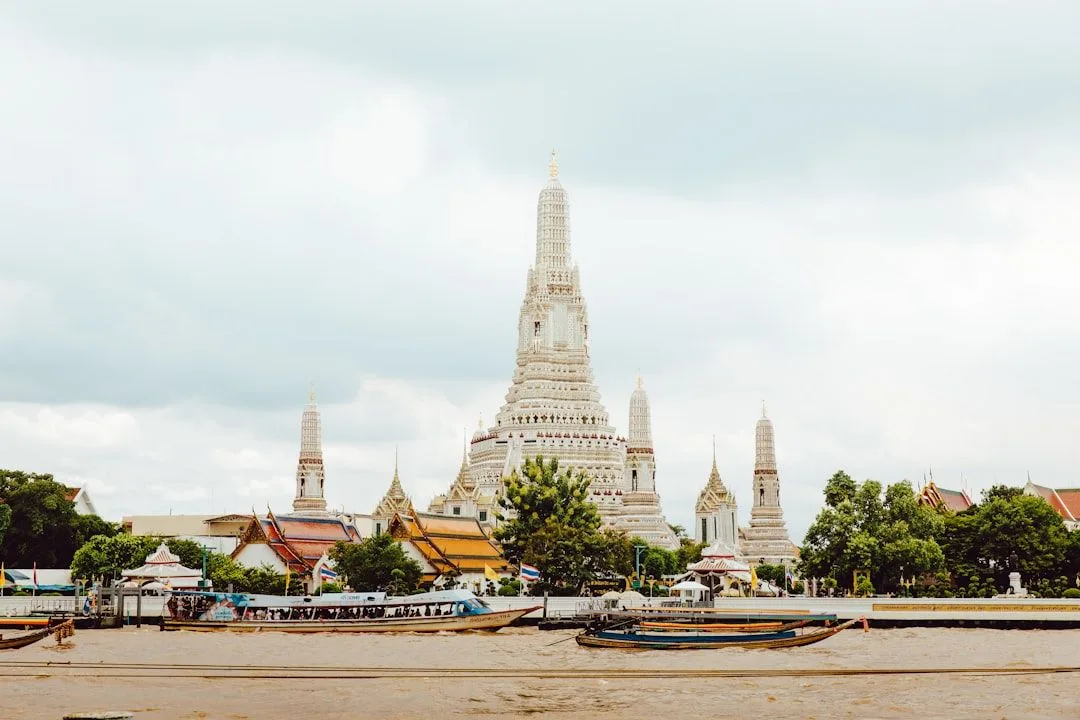
Bangkok's reputation as cheap is accurate and incomplete. The city has two parallel price levels — the local one and the imported one — and where you sit between them determines whether you spend 30,000 baht a month or 200,000.
Housing
| Type | Central (near BTS) | Outer |
|---|---|---|
| Studio | 12–20,000 THB | 8–13,000 |
| 1-bed condo, pool/gym | 15–30,000 | 10–18,000 |
| 2-bed condo | 30–60,000 | 18–30,000 |
| House with garden | 50–120,000 | 25–50,000 |
Modern condo buildings with a pool, gym and security are the norm rather than a luxury, and the price difference between a building with facilities and one without is small. Proximity to a BTS or MRT station is the variable that matters most — Bangkok traffic makes an unconnected apartment genuinely inconvenient regardless of the address.
Deposits are typically two months plus one month in advance. Twelve-month leases are standard; shorter terms carry a premium.
Sukhumvit and Silom are the established expat districts. Ari, Thonglor and Ekkamai are the quieter, more residential options. Rents fall sharply once you are more than a few minutes' walk from a station.
Food: the two price levels
| Item | Local | Western |
|---|---|---|
| Meal | 50–80 THB | 300–700 THB |
| Coffee | 40–60 | 120–180 |
| Beer | 60–80 (shop) | 180–300 (bar) |
| Cheese, 200g | — | 250–450 |
| Cereal box | — | 250–400 |
This is where budgets diverge most. Street and market food is excellent and costs almost nothing; imported groceries at Villa Market or Gourmet Market cost three to four times the equivalent at home.
Most long-term residents settle into a mix — local food most days, imported items selectively — and land around 15,000–25,000 baht a month for one person.
The line that dominates: schooling
For families this outweighs everything else combined.
International schools charge 400,000 to 900,000 baht per child per year, plus enrolment fees, uniforms and buses. The top-tier British and American schools sit at the upper end and have waiting lists.
A family with two children in international education is spending more on school fees than on everything else put together, and it is the single biggest determinant of whether Bangkok is affordable for them.
Healthcare
Thai private hospitals — Bumrungrad, Bangkok Hospital, Samitivej — operate at international standards with English-speaking staff, at a fraction of US prices. A specialist consultation runs 1,000–2,000 baht.
Insurance is still necessary. Comprehensive private cover runs 30,000–120,000 baht a year depending on age and level, rising steeply after 60 and becoming difficult to obtain after 70. Some visa categories mandate minimum coverage.
Everything else
| Item | Monthly |
|---|---|
| Electricity (with AC) | 1,500–4,000 THB |
| Water | 100–300 |
| Internet | 600–900 |
| Mobile | 300–600 |
| BTS/MRT commuting | 1,500–2,500 |
| Gym (if not in building) | 1,500–3,000 |
Air conditioning is the variable in the electricity bill and it is not optional from March to May. A condo run cool around the clock can triple the bill.
Realistic totals
| Profile | Monthly THB | USD approx |
|---|---|---|
| Frugal single, local lifestyle | 25–35,000 | $700–1,000 |
| Comfortable single | 45–70,000 | $1,250–1,950 |
| Couple, comfortable | 60–90,000 | $1,700–2,500 |
| Family, international school | 150–250,000 | $4,200–7,000 |
Visa costs to budget
Retirement and long-stay visas carry annual renewal fees, and the retirement route requires 800,000 baht held in a Thai bank or 65,000 monthly income — capital that is committed rather than spent, but unavailable. The 90-day reporting requirement is free but must not be missed; the fine starts at 2,000 baht.